Thorough grass care offerings for a luxuriant, green Yard
Comprehensive lawn care solutions play an essential role in achieving a lush, thriving yard. Consistent routines such as mowing, soil aeration, and nutrient application contribute to robust grass growth while reducing unwanted plants and insects. Recognizing ground condition is equally important, as it influences nutrient absorption. Homeowners often face challenges in caring for their grass. The right strategies can make a significant difference, resulting in a verdant outdoor space that increases property value. What are the key steps to guarantee success?
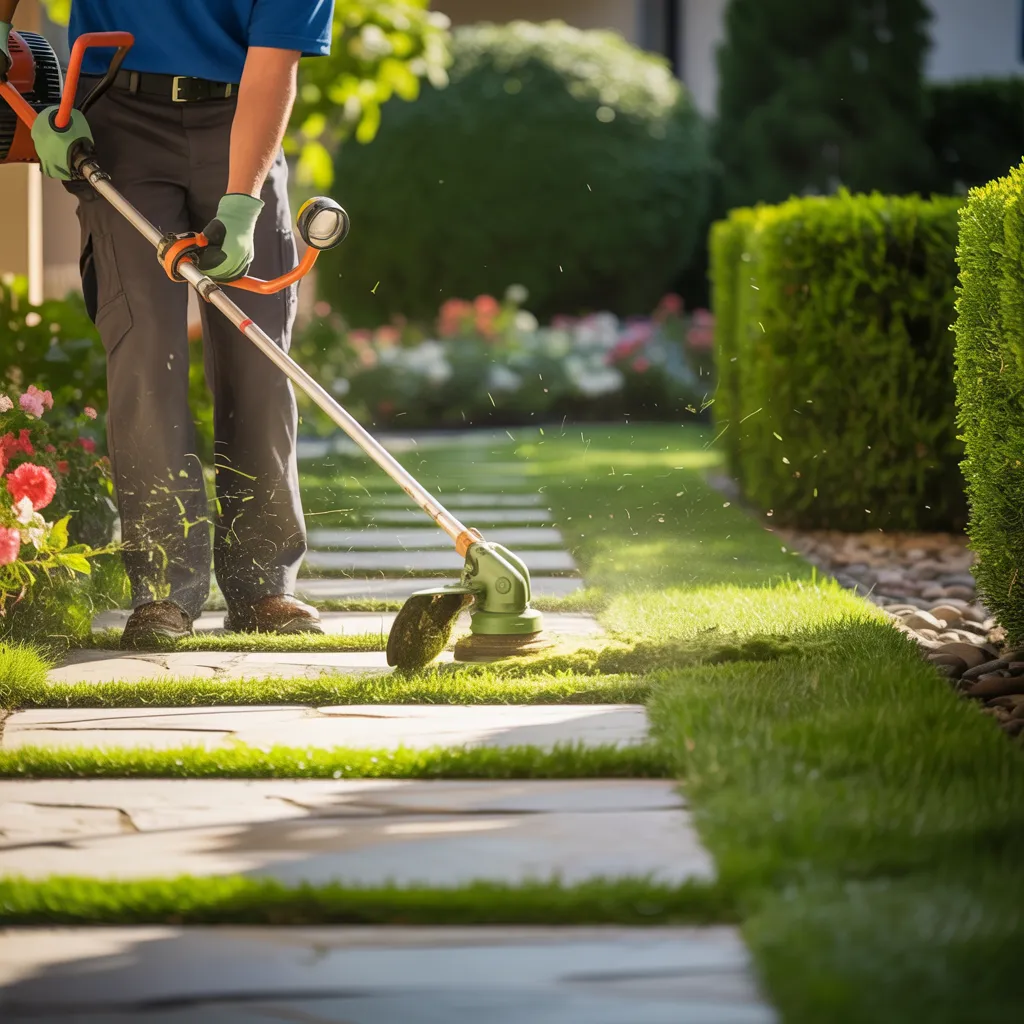
Essential Turf Care Services for Optimal Expansion
Key turf maintenance services hold an fundamental role in promoting proper growth for any yard. These services cover a variety of practices that guarantee the health and vigor of the grass. Regular mowing is necessary, as it stimulates even growth while preventing weeds from establishing. Aeration is another necessary service, facilitating air, water, and nutrients to enter into the soil, promoting deeper root development. Fertilization provides important nutrients that stimulate growth and enhance color, contributing to a lush appearance. Weed control is similarly important, as it shields the lawn from undesirable plants that fight over resources. Additionally, proper irrigation practices, including scheduling and monitoring, make certain that the lawn receives adequate moisture without overwatering. Together, these key lawn care services develop an environment where grass can thrive, eventually resulting in a vibrant and healthy yard. Performing these practices regularly can greatly improve the overall aesthetics and functionality of outdoor spaces.
Why Soil Vitality Is Fundamental to Your Lawn's Success
Soil health acts as the base for a flourishing lawn, affecting everything from access to nutrients to moisture preservation. Rich soil is rich in natural materials, which helps maintain water and provides essential nutrients for lawn development. A proper pH level is also critical, as it affects the lawn's ability to absorb these nutrients. Additionally, helpful microbes in healthy soil promote nutrient circulation and improve soil composition, producing better aeration and drainage.
In opposition, poor soil health can cause compacted, nutrient-depleted conditions that block grass growth. Invasive plants and parasites can succeed in deficient soil, battling with grass for resources. Frequent soil evaluation and enhancements can help sustain ideal conditions. Ultimately, investing in soil health is vital for a thick, emerald lawn, as it cultivates a robust ecosystem that nourishes strong turf and decreases the need for artificial solutions.
How to Identify the Ideal Fertilizer Method
Fertilization is important for maintaining a vibrant lawn, especially after you establish a strong soil foundation. Selecting the best fertilizer approach requires you to initially assess the specific nutrient demands indicated by soil tests. Learning about the primary nutrients—nitrogen, phosphorus, and potassium—proves beneficial in choosing the appropriate fertilizer type. For example, nitrogen drives growth, phosphorus aids root development, and potassium strengthens overall resilience.
When you apply fertilizer during the growing season, timing becomes vital; doing so can improve nutrient uptake. Additionally, understanding your grass type is crucial, as different species have varying nutrient requirements. Slow-release fertilizers offer steady nutrition, while fast-acting alternatives deliver immediate benefits.
Ultimately, environmental factors such as moisture and warmth should determine treatment amounts and intervals. By factoring in these considerations, lawn owners can formulate a tailored feeding approach that stimulates a lush, green lawn while advancing enduring strength and sustainability.
Lawn Maintenance: Effective Pest Elimination Strategies
Pest control that is effective is essential for maintaining a robust lawn. Integrated Pest Management (IPM) frameworks offer a holistic approach, uniting diverse methods to control pests while curtailing environmental effects. Additionally, eco-friendly pest control methods supply green alternatives that can be just as effective in shielding lawns from harmful pests.
Unified Pest Management Methods
Integrated Pest Management (IPM) plans present a broad-based solution to sustaining verdant lawns while minimizing environmental impact. This strategy emphasizes the importance of observing pest populations and grasping their life cycles. By detecting pests with accuracy, lawn care practitioners can deploy targeted interventions rather than blanket approaches. Agronomic practices, like proper irrigation systems and trimming techniques, function as a key role in forestalling pest issues. Additionally, nurturing useful organisms, including carnivorous insects, can help suppressing pest populations in a natural way. Regular assessment and fine-tuning of strategies guarantee the lawn persists resilient against infestations. Overall, IPM builds a balanced living system, lessening reliance on chemical pesticides and supporting sustainable lawn care approaches that contribute to a thriving verdant environment.
Organic Pest Control Techniques
Building on the foundations of Integrated Pest Management, organic pest control methods provide a eco-conscious strategy to managing lawn pests without synthetic chemicals. These methods emphasize the use of natural materials and biological agents to discourage harmful insects. For instance, beneficial insects like ladybugs and lacewings can be incorporated to control aphid populations. Additionally, natural repellents such as neem oil and diatomaceous earth are effective alternatives to traditional pesticides. Regularly monitoring pest populations and promoting healthy soil through composting further strengthen lawn resilience. By focusing on ecological balance, organic pest control not only shields the lawn but also supports local biodiversity, creating a vibrant and thriving environment. This holistic approach aligns with growing consumer preferences for environmentally friendly lawn care solutions.
Why Aeration and Overseeding Enhance Your Grass Care
Aeration and overseeding function as vital components in renewing a turf, enhancing its health and presentation. Aeration means making holes in the soil with holes to lessen compaction, enabling air, water, and nutrients to access deeper roots. This method develops stronger root systems and improves overall soil quality. By facilitating better absorption, aeration helps the grass thrive, particularly in high-traffic areas.
Overseeding complements aeration by adding new grass seed to the existing lawn. This method fills in bare patches and promotes thicker, healthier growth. It also helps to improve the lawn's resistance to pests and diseases. The combination of aeration and overseeding creates optimal circumstances for seed germination, resulting in a lush, green yard.
Together, these techniques not only enhance the visual beauty of a lawn but also support its lasting durability, making them vital elements of effective lawn care services.
Seasonal Guidance for a Brilliant Lawn Every Season
To maintain a verdant lawn throughout the year, defined seasonal approaches are important. In spring, effective fertilization can foster healthy growth, while fall aerating methods help ready the grass for winter. Grasping these practices confirms a verdant lawn regardless of the season.
Spring Treatment Techniques
A strategically timed spring fertilization approach can greatly enhance the health and aesthetic of a lawn throughout the year. As temperatures rise and grass begins to grow, applying a balanced fertilizer with nitrogen, phosphorus, and potassium delivers necessary nutrients. Timing is critical; fertilization should be performed after the last frost when grass is in active growth. This encourages strong root development and vibrant green blades. Furthermore, selecting slow-release fertilizers can guarantee nutrients are supplied see guide over an lengthy period, promoting sustained growth. It is essential to follow the manufacturer’s guidelines for application rates and frequency to avoid over-fertilization, which can harm the lawn and the environment. Appropriate watering after fertilization further aids nutrient absorption, setting the base for a lush lawn.
Fall Ground Aeration Practices
Restoring a lawn in the fall typically involves using effective aeration techniques. Aeration is critical for boosting soil health and fostering robust root development. This technique involves creating small holes with tiny openings to alleviate soil density, permitting oxygen, water, and nutrients to reach deeper levels. The optimal time for fall aeration is when the grass is growing actively, typically between September and October. Homeowners can select between core aeration, which extracts plugs of soil, and hole creation, which merely forms holes. After aeration, spreading balanced fertilizer can further enhance healing and flourishing. Consistent fall aeration not only strengthens lawn durability but also prepares the yard for the winter months, guaranteeing a green and lush yard come spring.
Advantages of Engaging Expert Lawn Care Services
Engaging expert turf management services revamps outdoor spaces into abundant, dynamic outdoor environments. These experts provide specialized knowledge and experience, assuring that lawns get individualized care matched to unique lawn requirements. Lawn care expertise typically comprise soil nutrition, pest management, and weed elimination, all of which strengthen a healthier lawn.
Additionally, these services often utilize state-of-the-art machinery, achieving results that may be problematic for homeowners using standard tools. Time savings constitute another key benefit; by outsourcing lawn care tasks, homeowners can focus attention to other priorities while upholding a beautiful yard.
Furthermore, professionals stay updated on the latest lawn care trends and environmentally friendly practices, advancing sustainability. Routine upkeep provided by professionals can improve the general aesthetic and value of a property. To conclude, hiring expert lawn care solutions not only boosts the appearance of outdoor spaces but also ensures effective, effective, and sustainable lawn management.
Frequently Asked Inquiries
How Often Should I Mow My Yard for Best Results?
Experts recommend mowing the lawn once a week during the active growth period. This schedule promotes healthy growth while preventing the grass from becoming too tall, guaranteeing a neat appearance and reducing the risk of pests and disease.
When Is the Ideal Season to Handle Turf Upkeep?
Spring and early fall represent the most ideal times for grass maintenance because grass thrives actively during these seasons. Fertilization, aeration, and overseeding are most successful when grass grows vigorously, guaranteeing your lawn becomes healthy and lush.
Is It Better to Do Lawn Care Myself or Bring In Professionals?
Homeowners can opt to manage lawn care on their own or employ professionals, considering their expertise, time availability, and desired results. DIY offers cost reductions, while professionals supply specialized understanding and efficient work for excellent outcomes.
How Can Environmental Factors Modify Your Lawn Maintenance Routines?
Atmospheric conditions greatly influence lawn care routines. Rain can enable growth, while drought mandates more frequent watering. Temperature fluctuations determine mowing schedules, and seasonal changes prescribe fertilization timing, requiring adaptability for ideal lawn health.
What Represent Widespread Blunders to Circumvent in Lawn Care?
Common errors in grass maintenance consist of overwatering, incorrect cutting heights, neglecting soil health, applying incorrect fertilizers, and neglecting pest management. Knowledge and correct methods can greatly enhance the condition and look of the lawn.